The best time to visit South Korea is April for cherry blossoms, and October for autumn leaves and foliage. Both of these months are ideal for visiting Seoul because of their mild daytime temperatures of around 15-19°C, and dry weather.
Every season has a different draw though. Summer and winter are off-peak, which means your trip will be cheaper, and you can take advantage of South Korea's summer beach festivals, or ski season in winter.
Best time to visit South Korea at a glance
Below is an overview of each season to help you decide at a glance. If you want to explore a season in more depth, the full guide below covers the main seasonal events and factors to consider before booking your trip.
When you've chosen your season, start collecting ideas for your trip in one place using TripJuggler, and we'll turn them into a day-by-day itinerary when you’re ready.
Is spring a good time to visit Korea?
Spring is one of the best times of year to visit South Korea. Cherry blossoms bloom from late March to mid-April and daytime temperatures sit between 8 and 20°C. If you're trying to narrow down your dates, April is the best month to visit South Korea in spring.
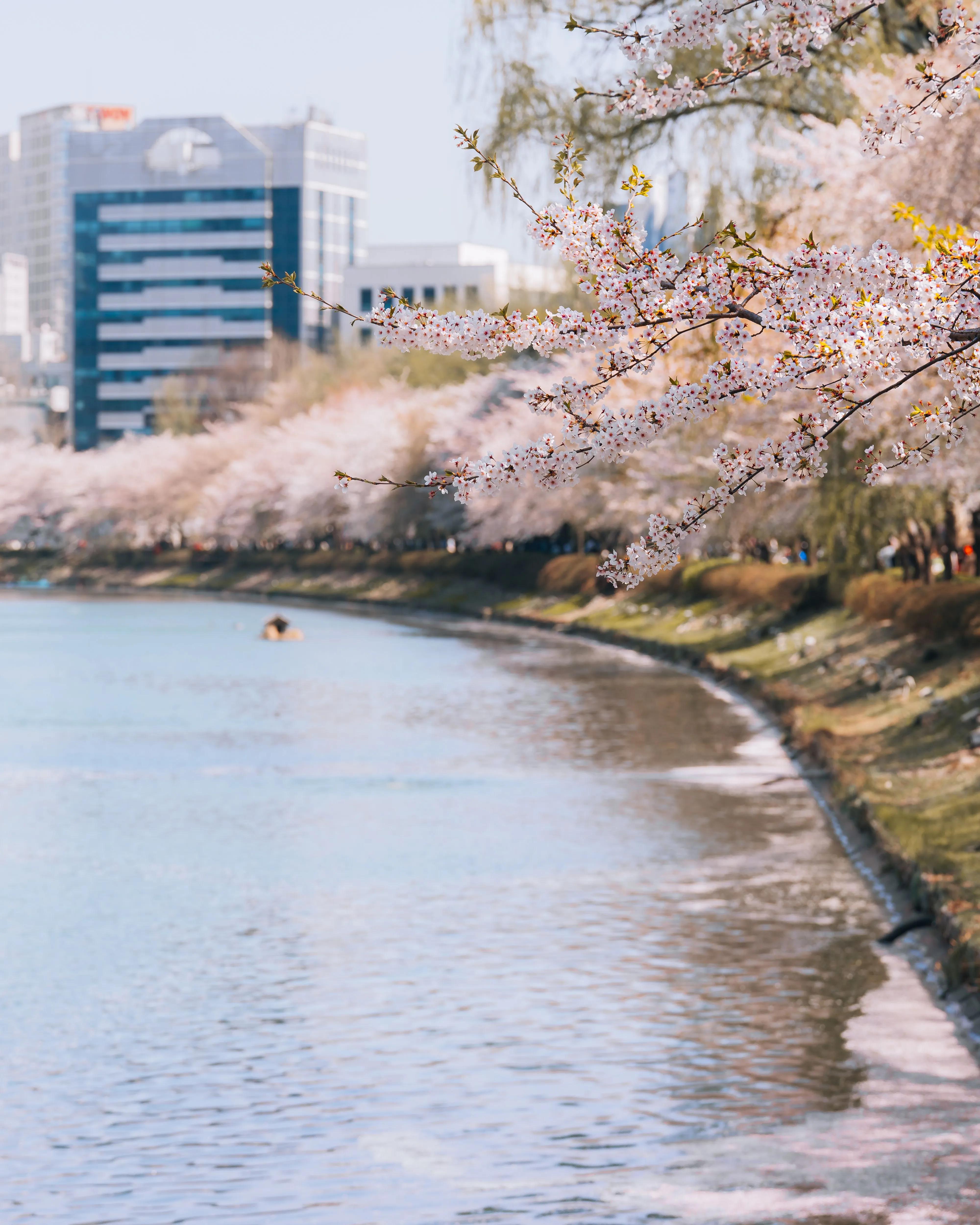
The cherry blossoms flower from south to north, first in Jeju and Busan around late March and then in Seoul by early April. Jinhae hosts the country's biggest cherry blossom festival, with over 350,000 trees lining the streets and Yeojwacheon Stream.
In Seoul, Yeouido along the Han River is a very popular spot to see them, and we'd also recommend Seokchon Lake in Jamsil. Over a thousand cherry trees bloom around the lake by Lotte World Tower. If you're planning where to stay, our guide to the best areas in Seoul covers Jamsil and five other neighbourhoods.
Spring is also the best season for hiking. Bukhansan National Park has lots of trails, and April and May are great times to hike here before the summer heat begins.
In late spring, the Lotus Lantern Festival (Yeondeunghoe) happens in central Seoul. It's a UNESCO-recognised tradition over 1,200 years old, with a lantern parade through Jongno on the weekend before Buddha's Birthday. It's free to attend, and whilst 2027 dates haven’t been announced yet, the festival usually occurs in early May.
- Something to consider: March and April are peak yellow dust season, when fine particles blow over from the Gobi Desert. It doesn't happen every day, but it can affect air quality significantly. Check conditions on AirKorea and pack masks.
Is summer a good time to go to South Korea?
Summer is the hottest and wettest time to travel to Korea, with temperatures reaching 30-35°C and high humidity. Monsoon season is typically late June through late July.
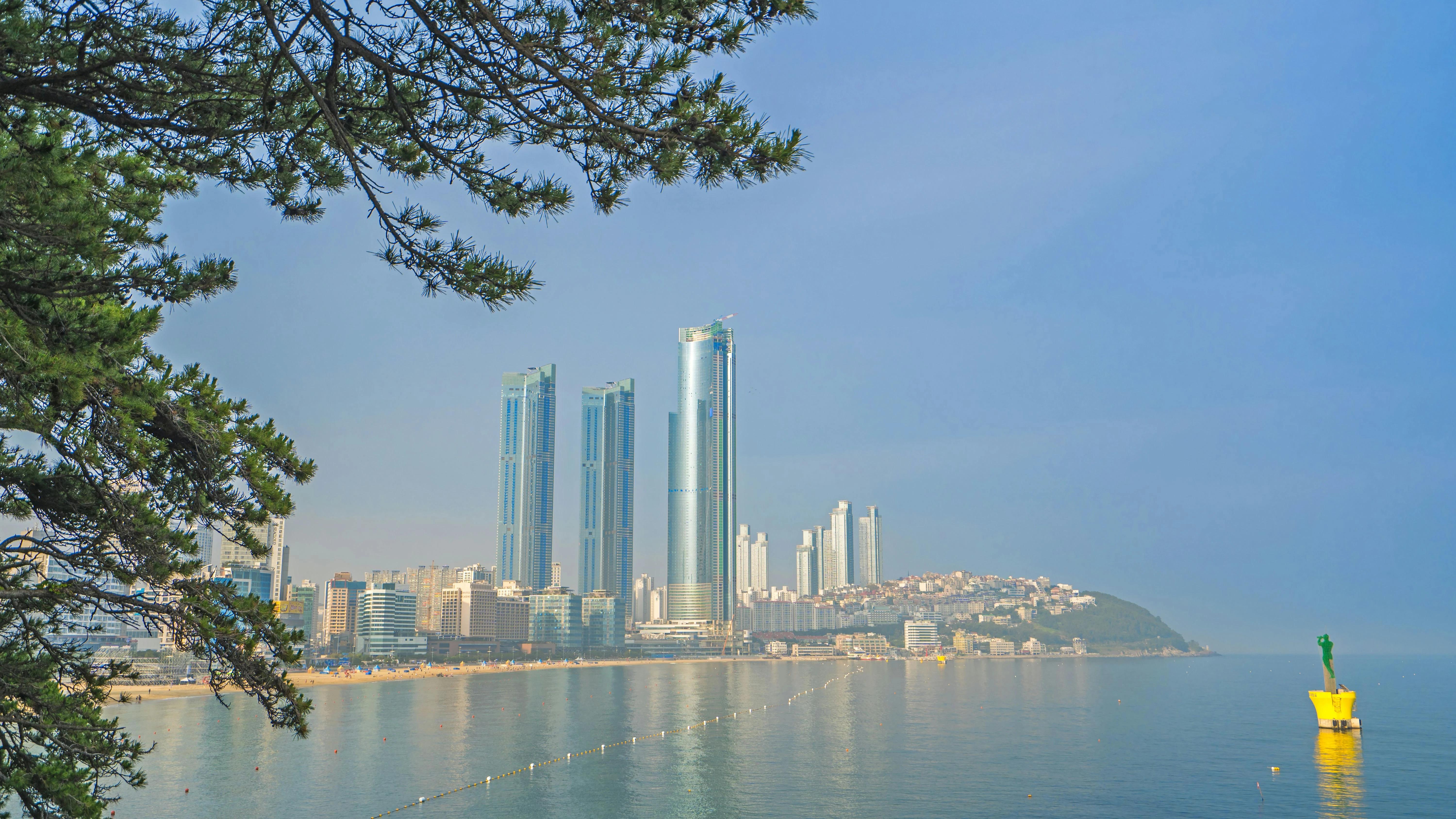
The Busan Sea Festival in early August holds free concerts and firework displays across five beaches. At Daecheon Beach, Boryeong Mud Festival is held from late July into early August, and is famous for massive mud pools, slides, and beach concerts.
If you're in Seoul and want to escape the heat, Gwangmyeong Cave is a great activity 30 minutes from the city centre and stays at 12°C year-round.
Summer is off-peak for international visitors, and flights and hotels tend to be cheaper than in spring or autumn. It's a good time to visit if you’re on a budget, but monsoon season means that the weather can be very unpredictable.
Planning a summer trip? Start a TripJuggler Trip Board and invite whoever you’re travelling with to add their ideas too.
Is autumn the best time of year to visit South Korea?
Autumn is one of the best times to visit South Korea. The weather is dry and comfortable, with daytime temperatures between 10 and 20°C. The best month to visit South Korea in autumn is October when Seoul, Nami Island, and Gyeongju are all in or near peak autumn colour.
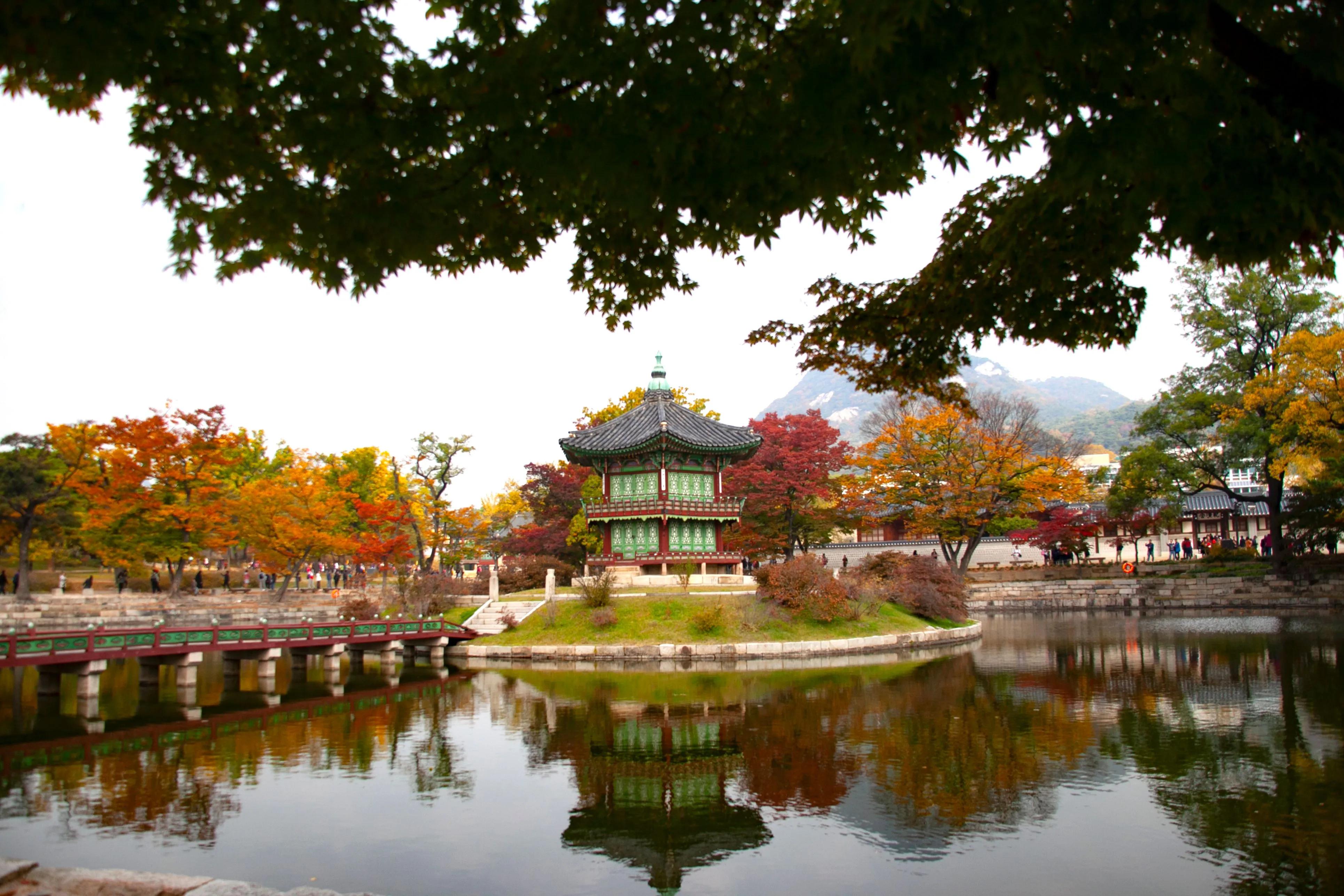
The foliage changes colour from north to south over about six weeks. Seoraksan in the northeast is normally first, starting in late September and peaking by mid-October. Seoul and the central regions peak from late October into early November. The southern parks like Naejangsan stay like this until mid-November. Of course, this can shift each year depending on weather conditions. We recommend checking sites like Visit Korea which publish seasonal autumn foliage forecasts.
- TripJuggler Tip: Chuseok (Korean Thanksgiving) is a major national holiday, and transport and hotels will book up very quickly. In 2026, Chuseok falls on 24-26 September. Keep this in mind if you’re planning an early autumn trip.
In our 9 best day trips from Seoul guide, we outline how to get to a few autumn foliage spots. Nami Island for metasequoia and ginkgo lined paths that turn orange and gold. Hwadamsup for a red maple boardwalk through the hillside, and Daedunsan's cloud bridge and clifftop stairway for a birds-eye view of the autumn foliage.
Is winter a good time to travel to Korea?
Winter is the coldest time to go to South Korea, with temperatures in Seoul often dropping below freezing. January averages around -6°C at night and 2°C during the day. But, it's dry cold rather than damp and rainy cold.
It's also a cheaper time to fly and find accommodation outside of the Christmas week and Lunar New Year, which is 6-8 February in 2027. Trains and buses are busy around these times and prices increase, so it's best to plan around these dates.
The Hwacheon Sancheoneo Ice Festival is one of the best reasons to visit South Korea in winter. It's held every January on a frozen river in Gangwon Province, about two hours from Seoul and draws around one million visitors. Visitors catch fish through holes drilled in the ice, and enjoy their catch raw or grilled. There’s also ice sledding and bob sledding.
If you like to ski, the ski resorts in Gangwon Province hosted the 2018 Winter Olympics and are open from mid-December.
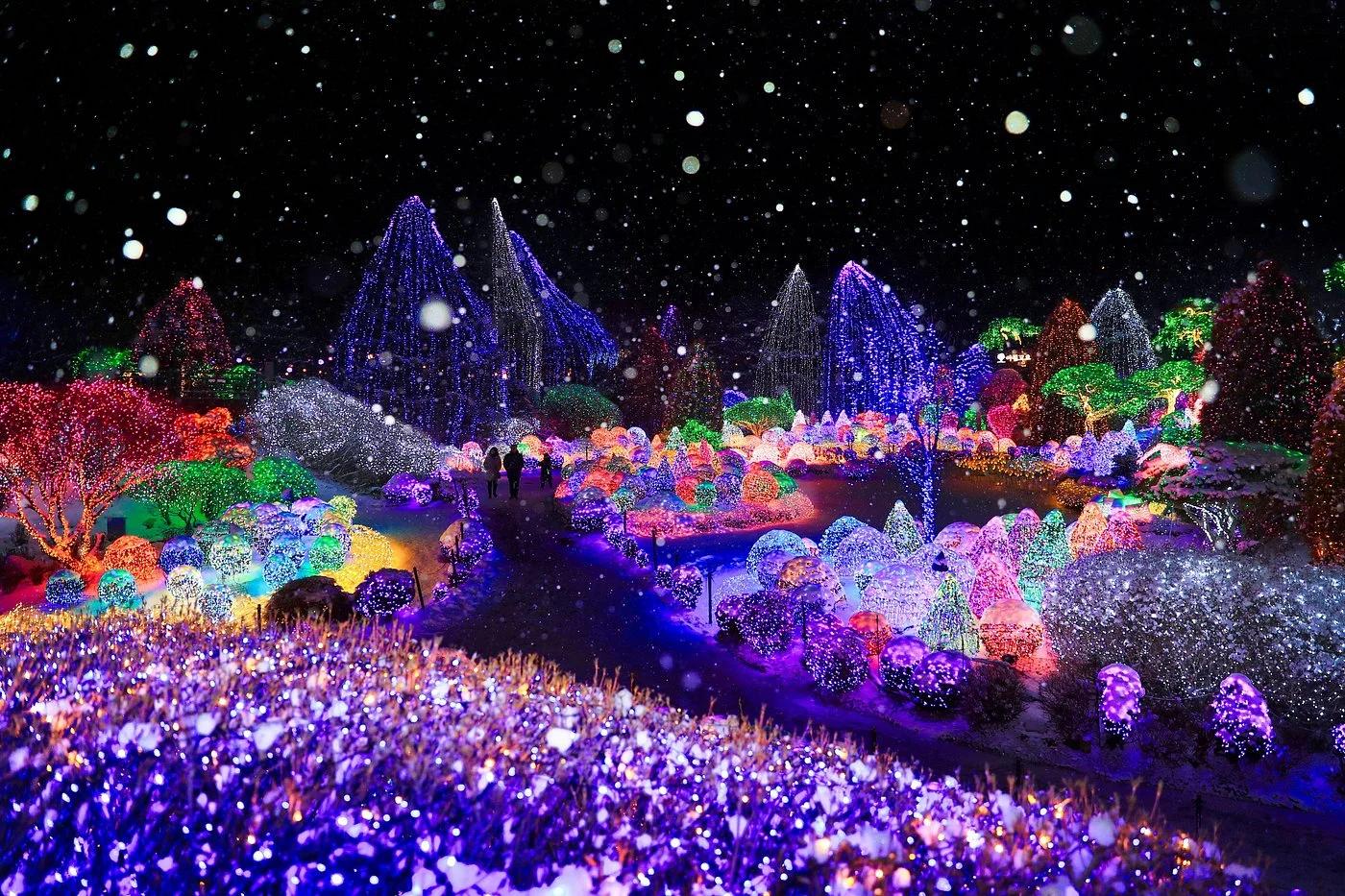
In our opinion, the best winter experience is the Garden of Morning Calm winter lighting festival, where millions of LED lights are set up in different displays across the grounds. The festival runs from December to March.
- TripJuggler Tip: If you're visiting in winter, we'd use a Wise travel card for paying at ski resorts and winter festivals without worrying about exchange rates or fees.
When is the best time to visit Seoul?
The best month to visit Seoul is April or October. In April, cherry blossoms flower and Seokchon Lake in Jamsil is one of the best spots in the city to see them. In October, the autumn colours appear, and Nami Island, Hwadamsup and Daedunsan are great spots to see them.
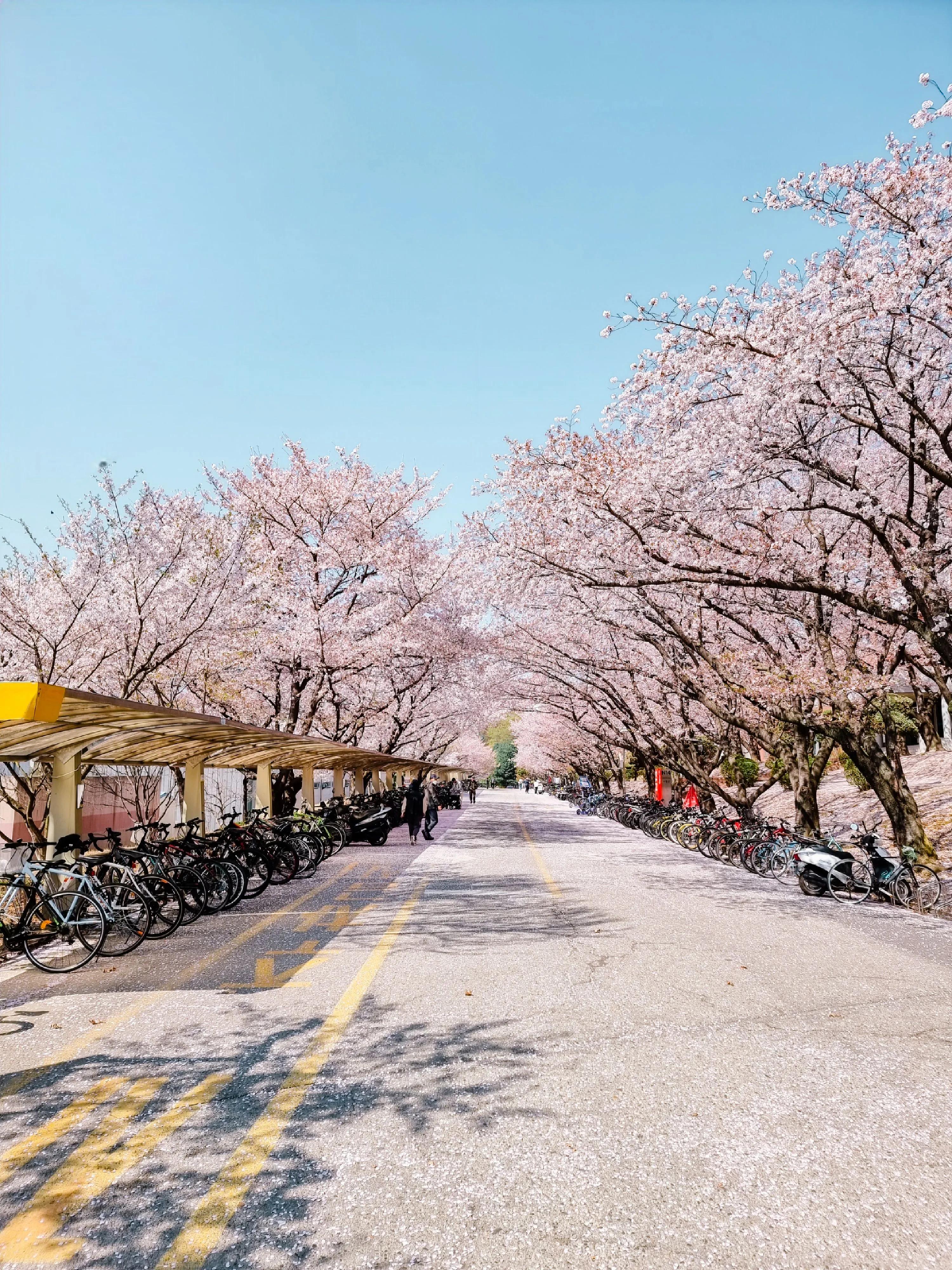
If April or October don’t work for you, anytime during spring or autumn are great seasons to visit Seoul. Cherry blossoms start appearing in late March further south in Jeju and Busan which are visitable from Seoul, and the autumn colours last from mid-October into early November. Daytime temperatures stay around 15-20°C, which is comfortable for sightseeing and exploring neighbourhoods like Insadong and Hongdae.
Summer and winter are both cheaper and quieter, but less comfortable. Seoul's humidity in July and August is intense. Winter is cold but manageable because most places are heated and the metro connects most areas. It depends on whether you want better weather or lower prices.
If you're planning where to base yourself, our guide to the best areas to stay in Seoul covers six neighbourhoods and what each one is best for.
FAQs about the best time to visit South Korea
What is the cheapest month to fly to Korea?
The cheapest months to fly to South Korea are January and February, outside of Lunar New Year. Flight prices also drop in June before the monsoon season begins. Summer and winter are off-peak for international visitors, so airlines and hotels both tend to be cheaper than during the cherry blossom and autumn foliage seasons.
What is the rainy season in Seoul?
The rainy season in Seoul runs from late June to late July. This is South Korea's monsoon period, known as jangma, which brings heavy downpours and high humidity. Temperatures reach 30-35°C. Rain often starts and stops without warning, so keeping an eye on the weather forecast is wise.
What is peak season in Seoul?
Peak season in Seoul is April for cherry blossoms and October for autumn foliage. These are the busiest and most expensive months, with hotels and flights priced accordingly. Chuseok (Korean Thanksgiving) also causes a travel surge, and in 2026 it falls on 24-26 September. For lower prices, visit in January, February, or June.
How many days do you need in South Korea?
Most travellers spend seven to ten days in South Korea, which is enough to cover Seoul and one or two other cities like Busan or Gyeongju. Five days works for Seoul and its surroundings alone.
- Read next: 9 best day trips from Seoul, South Korea