The best area to stay in Seoul for most first-time visitors is Myeongdong. It's central, well connected, and the easiest part of the city to navigate in English. But Seoul has several distinct neighbourhoods you should consider depending on how you like to travel. This guide covers six areas to stay in Seoul with an overview of what each area is best for, who it suits, and what to expect when you get there.
Where to stay in Seoul at a glance
If you're short on time, we've put together this at-a-glance table covering what each neighbourhood is best for. If you want more detail on any of them, the full guide below covers what to expect, what there is to do and see, and how well connected each area is.
- Once you've decided on a neighbourhood, start collecting your Seoul ideas on TripJuggler. Pin the videos, articles, and recommendations you find, and when you're ready, we'll turn them into a day-by-day itinerary.
Myeongdong: the most convenient place to stay in Seoul for first-timers
Myeongdong is the best area to stay in Seoul for first timers. It has two subway stations and an airport bus that stops on the main street, so getting around is straightforward. Sights you'll already have on your list, like Namdaemun Market and the Namsan Cable Car base, are within walking distance. Myeongdong is the most tourist friendly part of Seoul, and you'll see English signage everywhere.
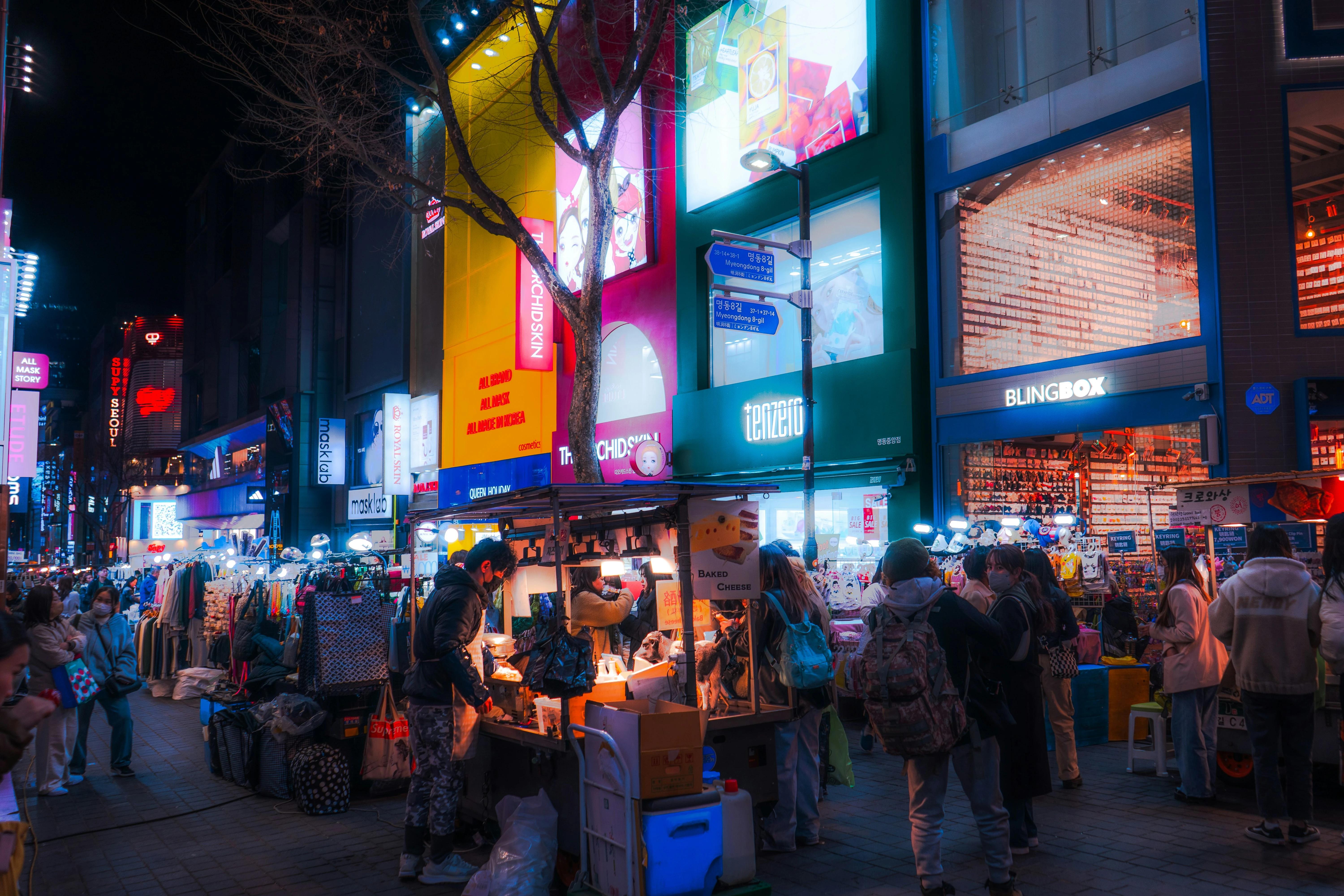
Along Myeongdong's busy main streets are plenty of Korean skincare shops and department stores, which makes it an ideal location for shopping. In the evening, streets convert into pedestrian zones and fill with cash-only food carts. While popular, the food is not always authentic, and the prices can be inflated. Instead, walk a few streets south to Bukchang-dong Food Culture Street, a food alley popular with locals. The restaurants around nearby Gwanghwamun Square are another good option for local-priced Korean food.
If you're in the midst of your South Korea trip research, you'll have seen conflicting views on Myeongdong. Yes, it’s full of tourists and prices are higher, but it's busy for a reason. Myeongdong is the most convenient place to stay in Seoul, and most of the city's main areas are a short bus or subway ride away. It's also an easy starting point for day trips from Seoul, with tour pickups and shuttle buses leaving from the area.
TripJuggler Suggests
If you like the idea of Myeongdong's convenient location but want a quieter street, we'd recommend staying near Euljiro 3-ga Station. It's only a 5 to 10-minute walk north of central Myeongdong, giving you access to both subway Lines 2 and 3.
Insadong: the best location to stay in Seoul for culture and tradition
Insadong is the best area in Seoul for traditional culture. It's in Jongno-gu, Seoul's historic core, and four of the city's five grand palaces are nearby. Gyeongbokgung, the largest and most visited of the five, is a 10 to 15-minute walk. Gwanghwamun Square is also within walking distance. The pedestrian streets are full of art galleries, tea houses, and craft shops selling handmade stationery.
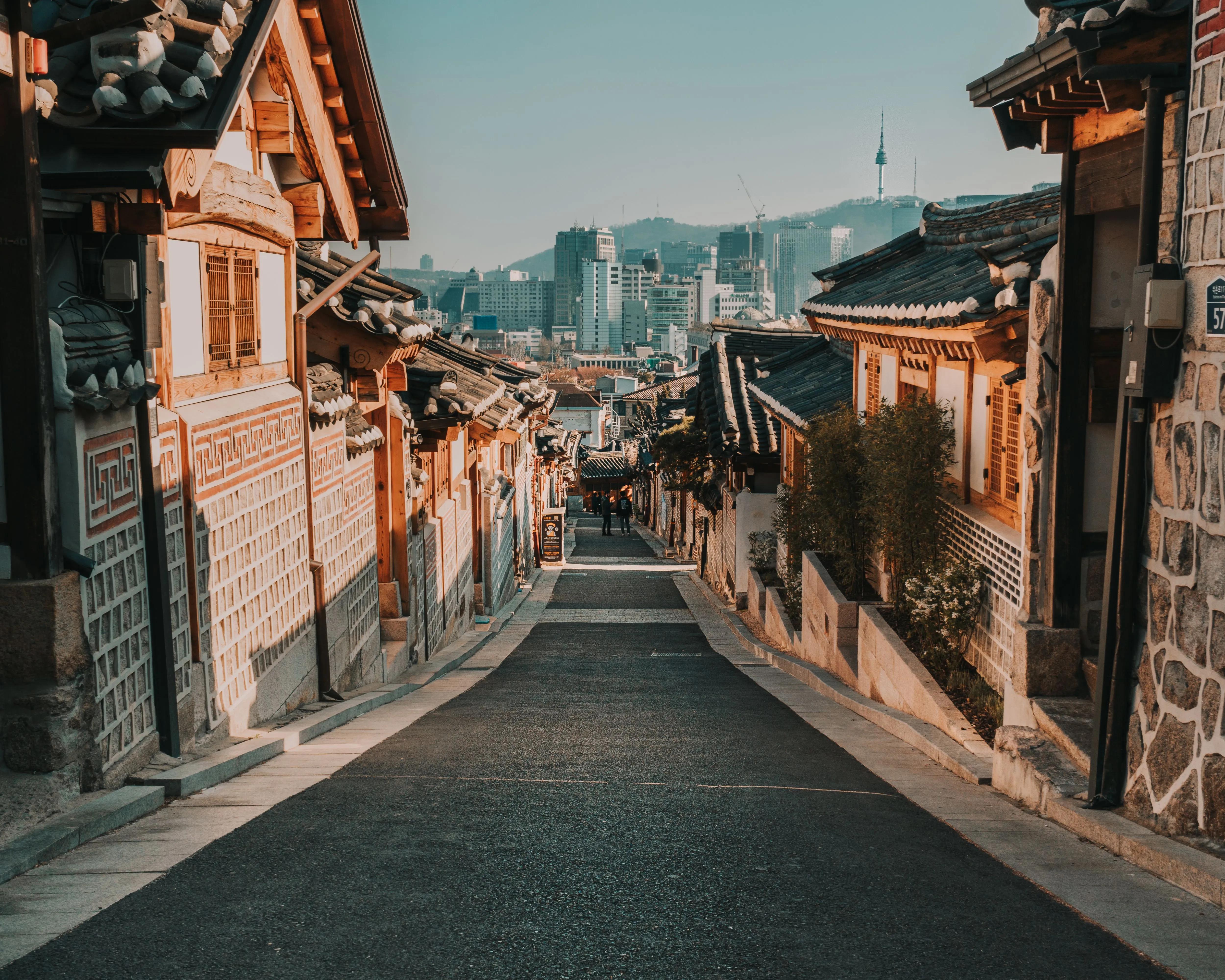
One benefit of staying in Insadong is that you're a 10-minute walk from Ikseon-dong, one of Seoul's trendiest spots. Here, you’ll find independent cafes and boutiques built into renovated 1920s hanok houses along narrow lanes. The hanoks in Ikseon-dong have been converted into businesses, but in nearby Bukchon Hanok Village you can stay overnight in one. It's one of the quietest places to sleep in central Seoul, tucked away from the noise of the main streets.
What is a hanok?
A hanok is a traditional Korean house, usually single-storey with a curved tile roof and heated floors called ondol. Bukchon's residential lanes (the "Red Zone") are restricted to 10:00 AM - 5:00 PM, with fines enforced. Staying at a registered hanok inside the zone exempts you from these hours.
Insadong is a great area for second or third-time visitors who want somewhere with character, though shops close earlier here (around 8:00-9:00 PM). If you want late-night drinks nearby, head just south to the outdoor pojangmacha (tent bar) street at Jongno 3-ga.
Hongdae: the best place to stay in Seoul for budget and young travellers
Hongdae is the most affordable area to stay in Seoul. It's a university district in Mapo-gu built around Hongik University, one of Korea's top art schools. The walls around campus are covered in art, and you'll likely see buskers and dance crews in the square outside Hongik University Station. The alleyways off the main streets are full of vinyl shops, vintage clothing stores, and small independent design studios. The mix of international students and backpackers makes it a great area to stay in Seoul, and prices reflect the student crowd.
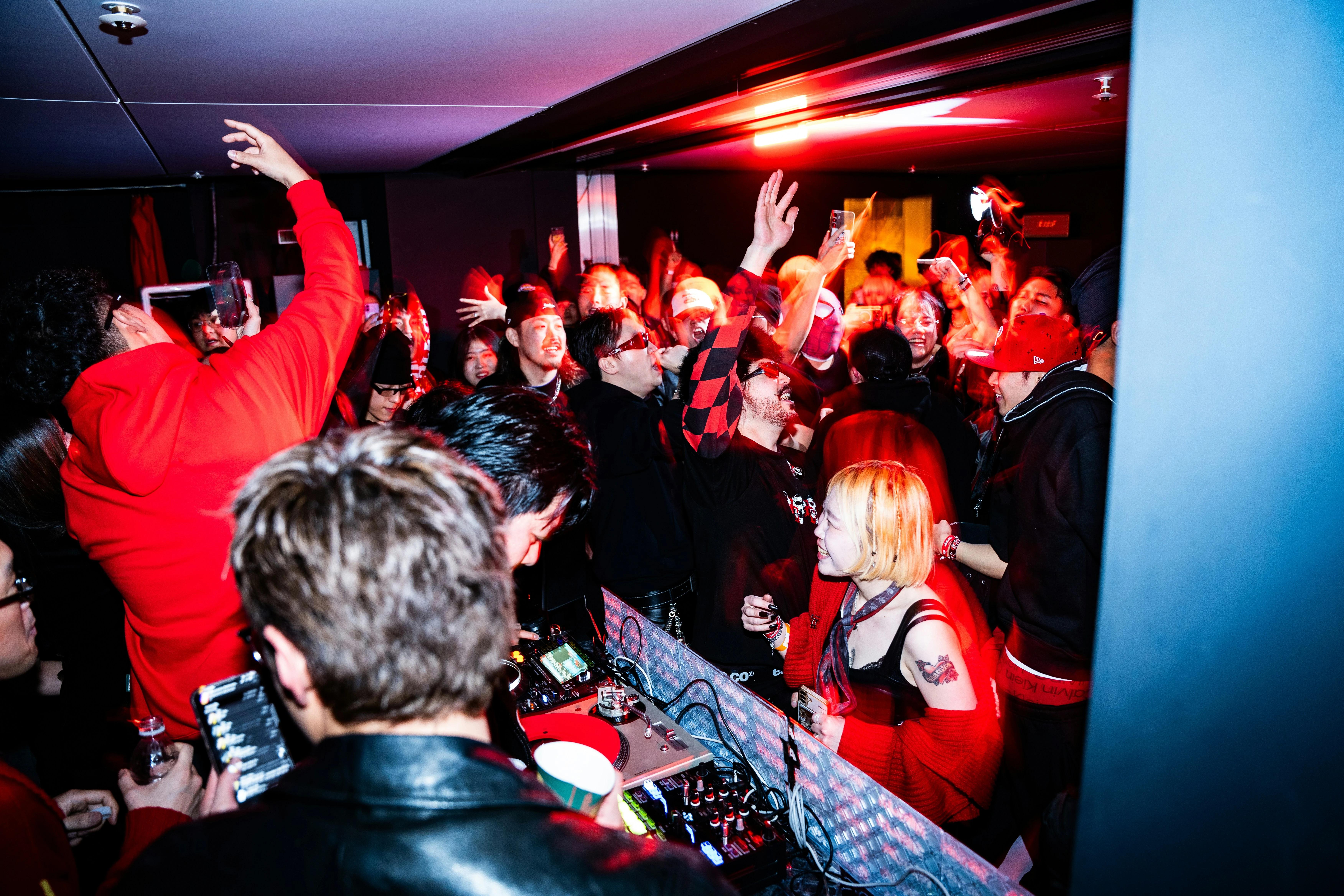
Gyeongui Line Forest Park runs through Hongdae on old railway tracks, with brunch cafes in converted buildings along both sides. For nightlife, the streets around Exit 9 at Hongik University Station host dance bars and noraebang (karaoke rooms). If you want a budget-friendly stay without the noise, look at Yeonnam-dong, just north of the park. It's a quieter stretch with an atmosphere similar to Ikseon-dong.
TripJuggler Tip
The AREX Airport Express train skips Hongdae, going non-stop to Seoul Station. Instead, take the AREX All-Stop Train directly from Incheon Airport to Hongik University Station. It takes 53 minutes from Terminal 1 (59 minutes from Terminal 2).
Itaewon: the best area to stay in Seoul for nightlife
Itaewon is an excellent choice if you're after a more sophisticated nightlife scene. Instead of student dance bars, you'll find cocktail bars, live jazz, wine bars, and underground clubs hosting DJs. The neighbourhood has a large expat community, shaping an international food scene where Korean BBQ, Middle Eastern kebabs, American brunch, and Korean-Mexican fusion sit on the same block. Most places stay open late if you need food after a night out.
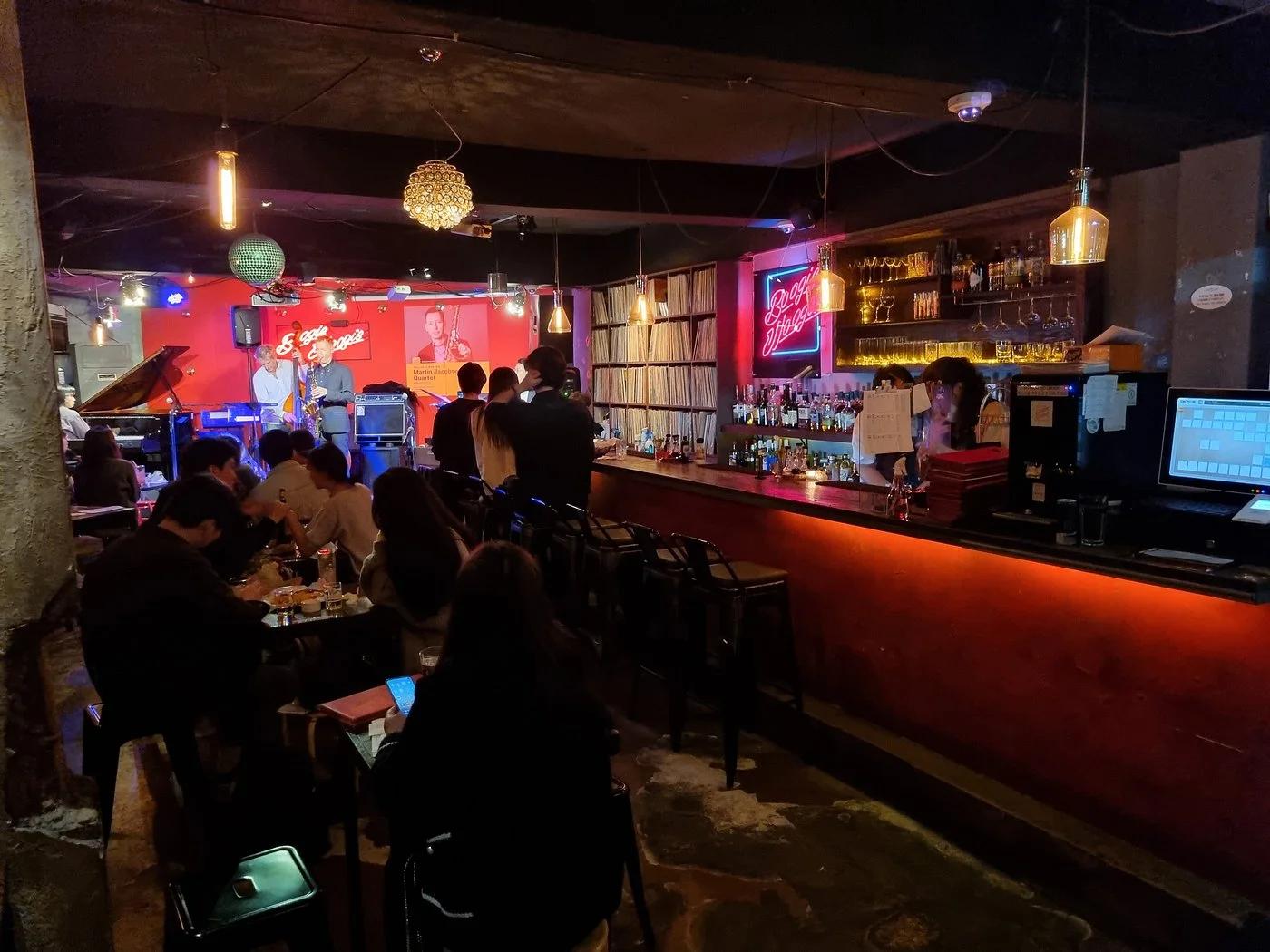
For daytime, the Hannam-dong side of Itaewon features upscale coffee roasters, designer boutiques, and galleries in converted modern homes. Haebangchon (HBC) has a more laid-back feel with small, family-run international restaurants. If you choose places based on whether it's full of locals, HBC will be your kind of area.
Itaewon is hilly though, and the streets into HBC involve steep inclines. You’ll need to use local village buses or taxis when arriving with bags. The area relies on Seoul Subway Line 6, so most trips to central sightseeing areas need a transfer.
Gangnam: the best area to stay in Seoul for business
Gangnam is the best area to stay in Seoul for a business trip. The COEX Convention and Exhibition Center is surrounded by business hotels, and the district is well connected by subway to the rest of the city. But Gangnam is worth considering even if you're not here for work. It's Seoul's most upscale district, so expect to pay more for hotels and restaurants.
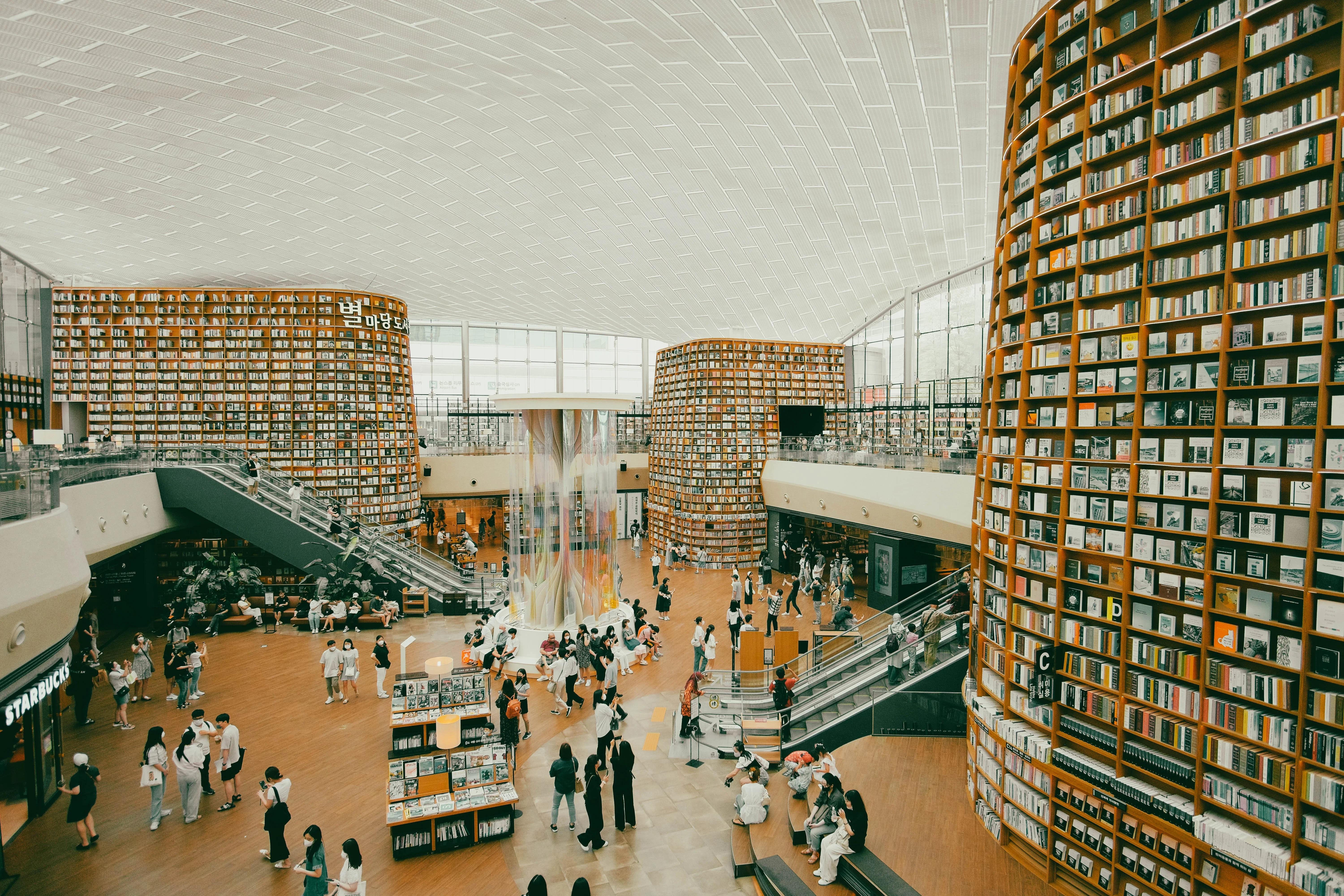
Starfield COEX Mall sits underneath the convention centre and is one of the largest underground shopping malls in Asia, with over 300 shops and around 100 restaurants. The Starfield Library in the centre of the mall has 13-metre-high bookshelves lined with around 50,000 books and is free to enter. It's quietest on weekday mornings before noon.
Garosu-gil is Gangnam's best walking street for Korean beauty stores and independent fashion labels. A few stops further out, Apgujeong and Cheongdam-dong are home to Seoul's highest-end shopping and several Michelin-starred restaurants.
Jamsil: the best area to stay in Seoul for families
Jamsil is the best area to stay in Seoul for families. Lotte World is one of the largest indoor theme parks in the world and is connected directly to Jamsil Station. Lotte World Tower next to it stands 555 metres tall, and Seokchon Lake has over a thousand cherry blossom trees. In early April, this is one of the best spots in Seoul for cherry blossoms.
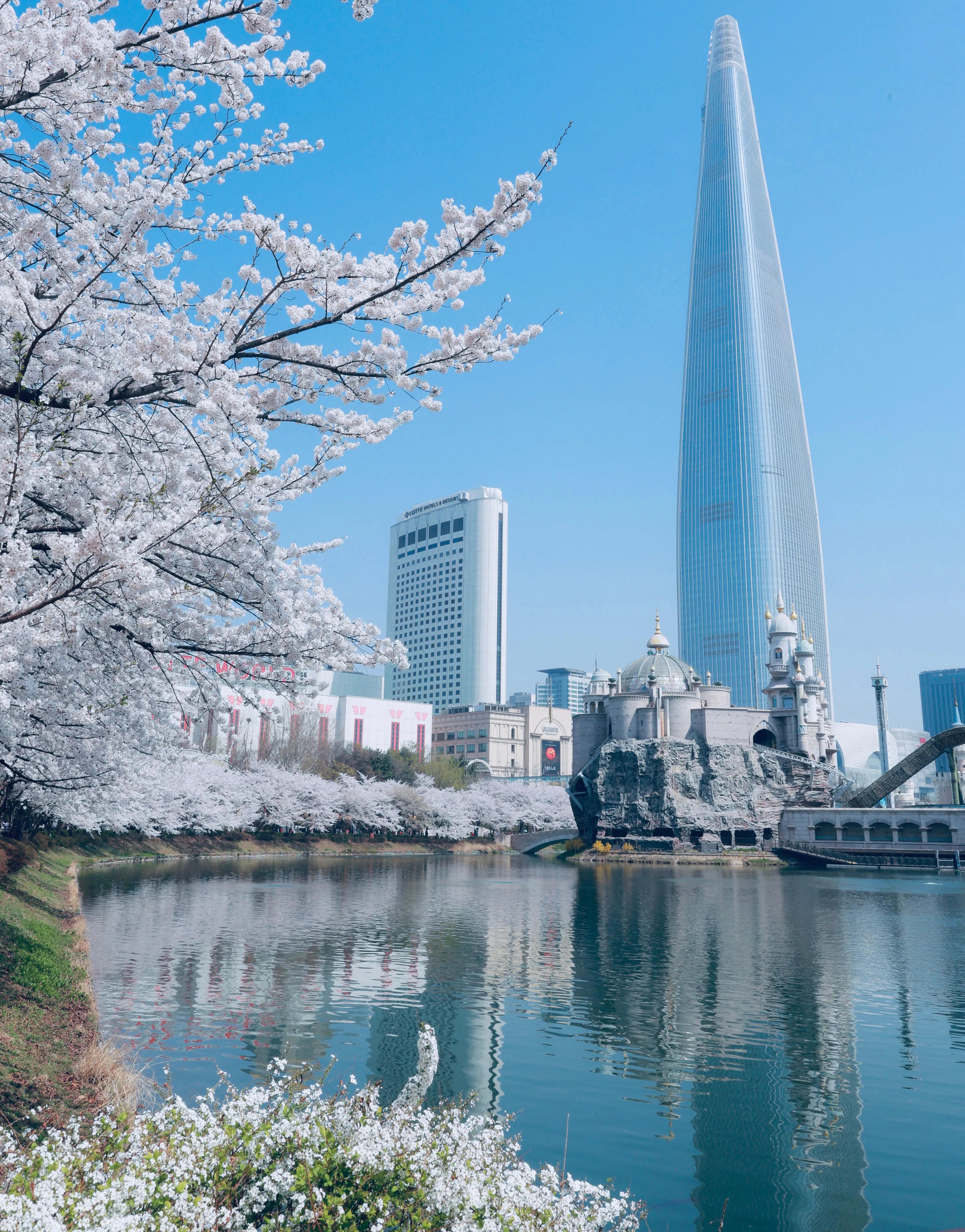
The theme park, the tower, an aquarium, and Lotte World Mall are all connected and mostly indoors. You can fill two or three days here without worrying about the weather.
TripJuggler suggests
Sign up for the Lotte Tourist Membership in a Lotte Department Store with your passport and you'll get 20% off Lotte World, the observatory, and the aquarium.
The restaurants around Seokchon Lake have Korean BBQ places which are popular with local families. English menus are less common outside the mall, so download Papago, a Korean translation app, before you arrive.
Jamsil is the furthest area from central Seoul on this list, with Myeongdong and the palaces around 50 minutes away by subway. If sightseeing across the city is your main goal, you'll spend a lot of time travelling. On the other hand, Jamsil is closer than most areas on this list to the best day trips from Seoul like Nami Island and the Garden of Morning Calm.
FAQs about where to stay in Seoul
How many days do I need in Seoul?
Most visitors need four or five days in Seoul. That's long enough to see Gyeongbokgung and the palaces in Jongno-gu, eat through a couple of different neighbourhoods in the evenings, and fit in a day trip to the DMZ or Nami Island without rushing. If you only have three days, stay in Myeongdong or Insadong and accept that you'll be choosing between Hongdae and Gangnam rather than fitting both in.
Is Seoul a walkable city?
Seoul is walkable within each of its main neighbourhoods. You can spend a full day exploring Insadong, Myeongdong, or Hongdae on foot without needing a bus or taxi. Between neighbourhoods, the subway connects everything. Trains come every two to five minutes on most lines, signage is in English, and a T-money card (₩2,500 from any convenience store) works on both trains and buses.
How do I get from Seoul airport to the city?
The fastest way from Seoul airport to the city centre is the AREX Express train, which takes 43 minutes non-stop from Incheon Terminal 1 to Seoul Station. The AREX All-Stop train costs less and stops at Hongik University Station in about 53 minutes (59 minutes if you stay on to Seoul Station). Airport limousine buses run to Myeongdong, Gangnam, and other hotel districts, but take 60 to 90 minutes in traffic. If you need data when you land, we use Saily.
Is it better to stay near Seoul Station or Myeongdong?
For most visitors, it's better to stay in Myeongdong than near Seoul Station. Seoul Station is useful for catching the airport train or the KTX to Busan, but the streets around it are mostly offices and conference hotels. Myeongdong has the evening food carts, the shopping, and Myeongdong Station on Lines 4 and 2. The walk between the two takes about 15 to 20 minutes through Namdaemun Market, so you don't lose access to Seoul Station by staying in Myeongdong.
Is Seoul friendly to foreigners?
Seoul is very friendly to foreigners. The subway has English on every sign, every announcement, and every ticket machine. Most tourist areas have staffed information desks. Where English menus are less common (usually in residential neighbourhoods and smaller restaurants), Papago, a Korean translation app, fills the gap. Card payment works almost everywhere, taxis are metered, and the city feels safe to walk around late.
How far is Hongdae from Myeongdong?
Hongdae is about 20 minutes from Myeongdong by subway. Line 2 from Euljiro 1-ga to Hongik University Station is 11 minutes on the train, plus a few minutes walking at each end. By taxi, it's ₩11,000–14,000 and takes 7 to 15 minutes if the roads are clear, though rush hour can push that past 25 minutes.
- Read next: 9 best day trips from Seoul, South Korea