A Europe road trip starts with choosing a route, then building a day-by-day itinerary around it. Pick a region based on how many days you have, plan no more than three or four hours of driving per day, and group your stops by proximity so you're not doubling back on yourself.
This guide covers the most popular European road trip routes, how to choose between them, and the practical side of driving across borders, from licences and tolls to fuel and low emission zones.
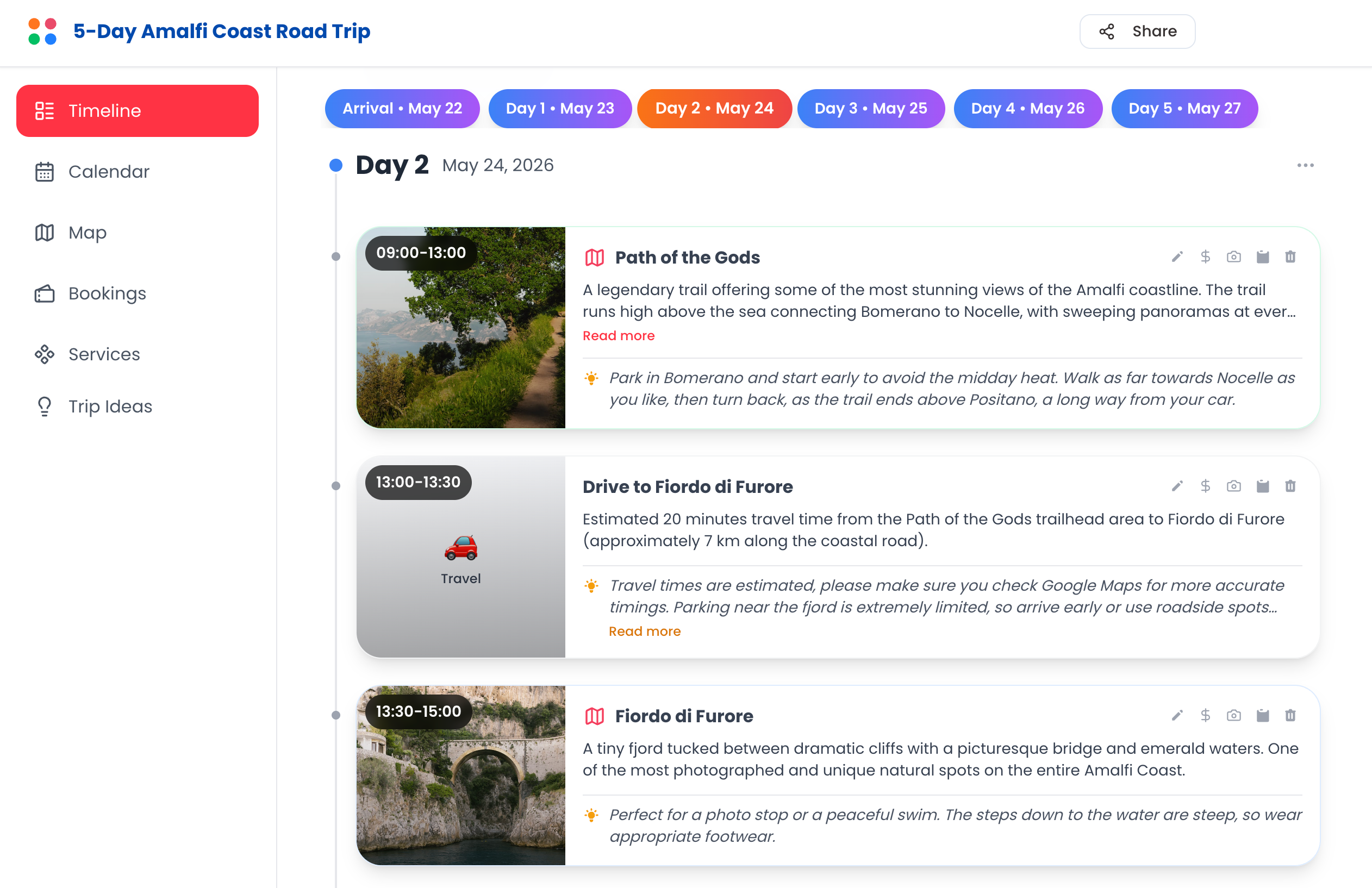
If you want a European road trip travel planner that builds your itinerary efficiently, TripJuggler turns travel videos and blog posts into mapped, day-by-day road trip plans you can edit and share.
What are the best European road trip routes?
There's no single best European road trip route, as it depends on how long you have, and what kind of scenery you're looking for. These are some of the most popular European road trip routes to get you started.
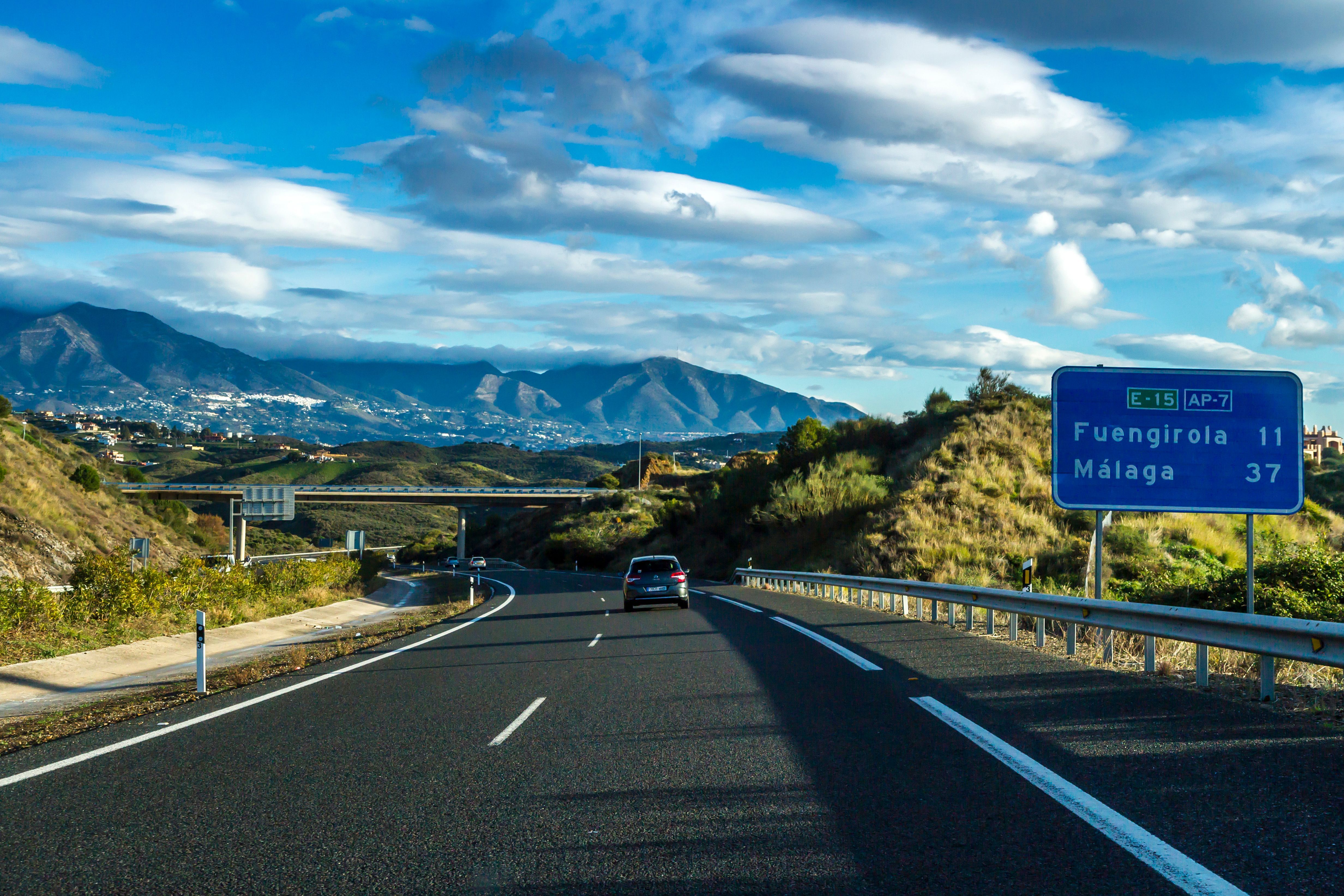
Once you've got a route in mind, start collecting the places you want to stop. Blog posts, YouTube, and social media are all good sources. Save the places that catch your eye and plot them on a map so you can see what sits near what before you start grouping them into days. See one of our complete itineraries here.
How do you choose your European road trip route?
When planning a road trip in Europe, start by working backwards from how many days you have. Compact routes like the Amalfi Coast (50 km) suit a long weekend. Having two weeks opens up options like Iceland's Ring Road or a multi-country loop through the Alps.
Keep driving to a maximum of three or four hours a day. More than that and you won't have time to stop and explore, and you'll feel tired rather than enjoying the trip.
Think about when you're going. The Amalfi Coast and Croatia work best in May, June, or September, outside the summer crowds. Iceland and Scotland are better in summer for the longer daylight hours. Alpine passes in Switzerland and Austria can close outside July and August.
For more on how to approach trip planning from scratch check out our guide on how to plan a trip.
What do you need to know before driving in Europe?
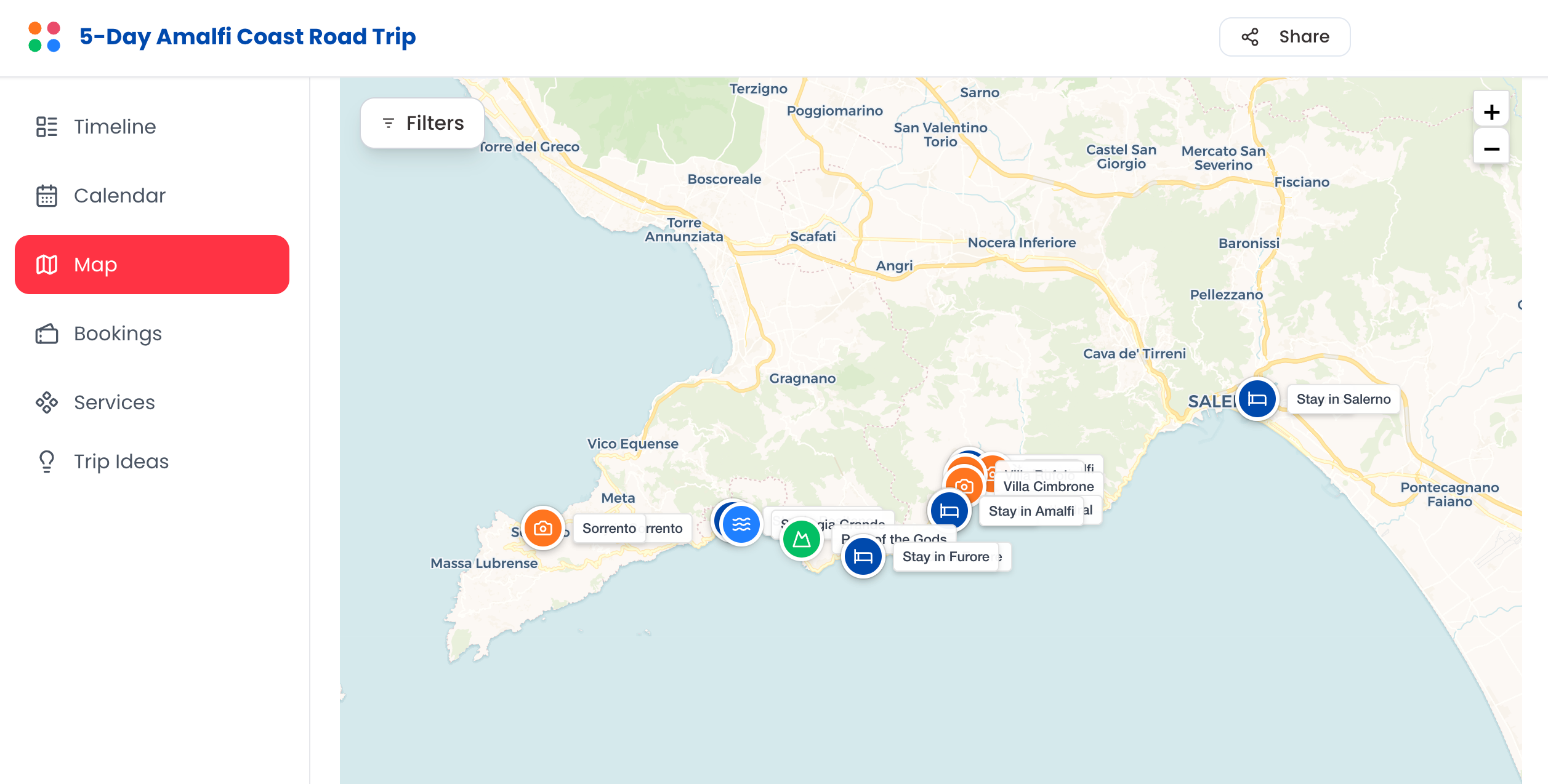
Driving rules and costs vary by country, so check before you cross a border. Most European countries drive on the right side of the road, with the UK, Ireland, Cyprus, and Malta on the left. Here are some other things that could catch you out.
Driving licence. A valid UK or EU photocard licence is accepted across all EU countries for short visits. If you hold a non-EU licence (US, Canadian, or Australian), you will likely need an International Driving Permit (IDP) alongside your original licence, particularly in Italy, Austria, and Spain. You can check whether your destination requires an IDP on the GOV.UK IDP page.
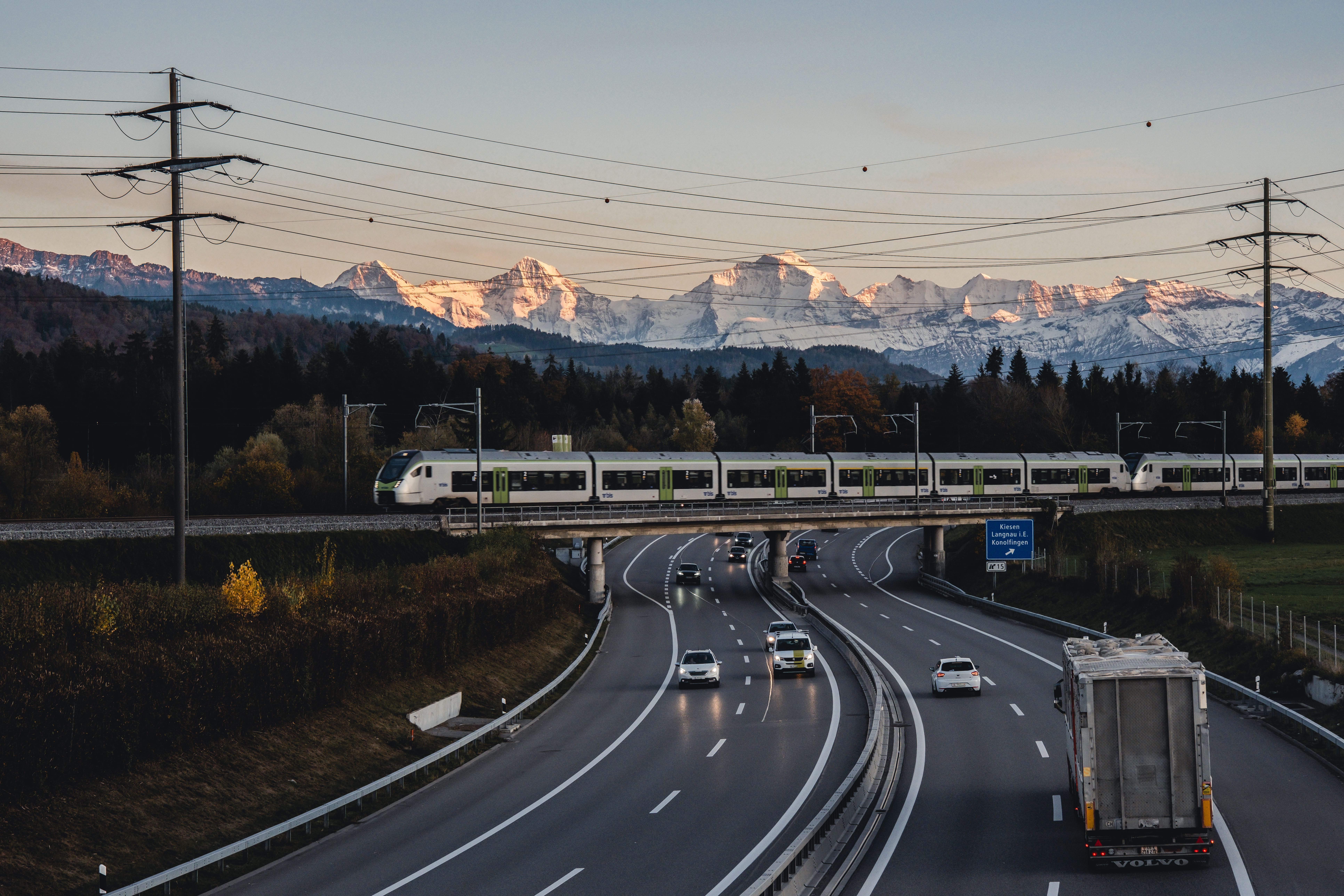
Vignettes and tolls. Austria, Switzerland, and several Eastern European countries require a vignette (a prepaid sticker or digital e-vignette) to use their motorways. A Swiss vignette costs CHF 40 (roughly €42) and is valid for 14 months, with no shorter option available. Austria offers more flexibility, with a 10-day e-vignette at €12.80 or a one-day pass at €9.60. France, Italy, Spain, and Portugal use toll systems instead. Many motorways in Portugal and Spain now use barrier-less electronic tolls with no cash booths. You'll need to link your vehicle plate to a card online or rent an electronic transponder.
Insurance. You need at minimum third-party insurance. If hiring a car, check whether your policy includes Collision Damage Waiver and what the excess is. If taking your own UK-registered car, you do not need a Green Card to drive in the EU, but you must carry your physical V5C logbook and valid proof of insurance.
Mobile data. Google Maps, toll apps, and booking confirmations all need data, and roaming charges outside the UK add up fast. An eSIM like Saily gives you a local data plan before you land, which tends to be cheaper and more reliable than roaming on multi-country trips.
Low emission zones. Many European cities have restricted driving zones that require a sticker or registration. Fines for entering without one can be steep and often arrive months later. The Urban Access Regulations covers every low emission zone, congestion charge, and access restriction in Europe, and is the easiest way to check before you go.
Speed limits. These vary by country and road type. Motorway limits range from 110 km/h in some countries to no limit on parts of Germany's autobahn. Speed cameras and on-the-spot fines are common.
Fuel. Petrol and diesel are widely available, but prices vary. Across the EU, average petrol prices range from around €1.40 per litre in Poland and Luxembourg to over €1.90 in the Netherlands and Denmark. Fill up before entering Switzerland or Norway where fuel is notably more expensive. On remote routes like Iceland's Ring Road or Scotland's NC500, fill up whenever you see a station. Gaps between them can be long.
How do you build a Europe road trip itinerary?
The simplest way to build a European road trip itinerary is to start with your route, then layer in the stops, accommodation, and driving segments day by day.
- Research the places you want to visit, and gather inspiration. This might be via blog posts, social media posts or YouTube videos.
- Pin each idea on a map to see which stops sit close together.
- Group nearby ideas into days, and decide on an order to drive them in.
- Keep each day to three main stops or fewer, with time between them to avoid overbooking yourself.
- Add your accommodation and bookings, with the confirmation details to hand.
Whilst simple in theory, this means keeping track of pins on google maps, saved places in your bookmarks or social media folders, and a schedule in a spreadsheet. It can be difficult to manage when you're on the trip.
If you'd prefer to keep everything in one place, TripJuggler works as a Europe road trip planner that builds your itinerary for you. Paste in the inspiration you've saved from blogs, social media and YouTube, and it pulls out each place, pins it on a map and organises everything into a logical route. From there you can move stops around, add more or remove anything that doesn't fit. Add your flight and hotel bookings to keep everything in one place, and capture photos and daily reflections as you travel.
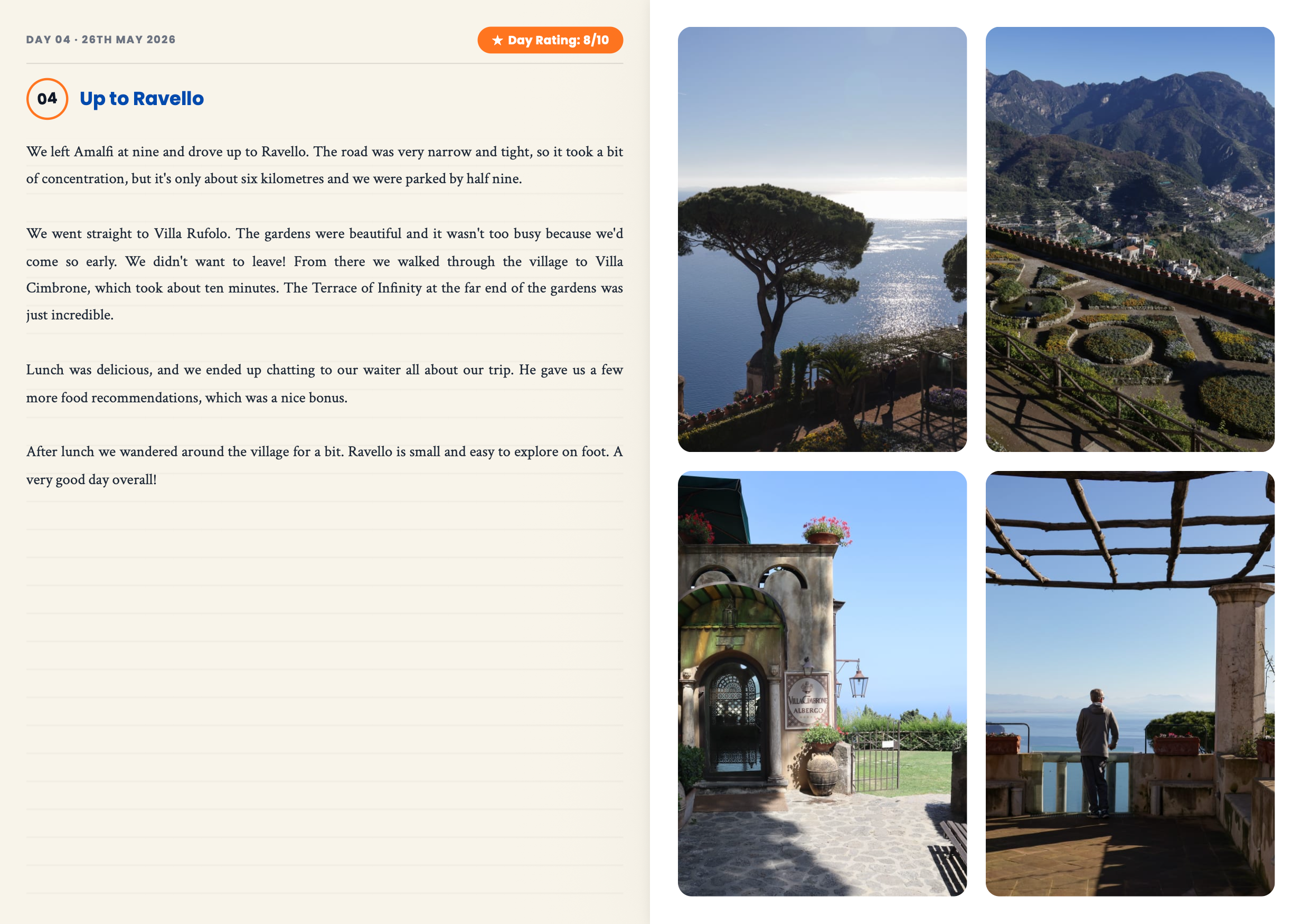
Start building your Europe road trip itinerary →
FAQs
What is the best route planner for Europe?
TripJuggler is a Europe road trip planner that builds itineraries from travel videos. Paste in a video and it extracts every place mentioned, pins them on a map, and organises them into a day-by-day route you can edit and share. You can combine ideas from several creators into one trip and add your own bookings alongside.
Do I need an IDP to drive in Europe?
If you hold a valid UK or EU driving licence, you do not need an International Driving Permit (IDP) to drive in most European countries. If you hold a non-EU licence (US, Canadian, Australian), you will likely need an IDP alongside your original licence, particularly in Italy, Austria, and Spain. Check with the country's embassy before you travel, as requirements can change.
How much would a European road trip cost?
A mid-range European road trip for two costs roughly €150-€250 per day excluding accommodation, covering fuel, tolls, food, and activities. Portugal and Spain are cheaper per day than Switzerland or Norway. Budget extra for toll-heavy countries like France and Italy, and for vignettes in Austria and Switzerland.
Is $2500 enough for 2 weeks in Europe?
For two people on a mid-range European road trip, $2500 (roughly €2300) is tight but possible in lower-cost countries like Portugal, Spain, and parts of Eastern Europe, covering fuel, tolls, food, and budget accommodation. In higher-cost countries like Switzerland, Norway, or Iceland, it won't stretch to two weeks. Car hire is often the biggest variable, so book early and compare pick-up locations across borders where prices can differ significantly.
Is $100 a day enough for Europe?
In Portugal, Spain, and parts of Eastern Europe, $100 a day (approx. €90) can cover food, activities, and a budget stay for a solo traveller or your half of a shared trip. However, once you factor in fixed road trip costs like car rental, fuel, tolls, and city parking, $100 per day gets very tight for a solo driver. In high-cost destinations like Switzerland, Norway, or Iceland, it won't be enough.
- Read next: Why We Use Wise Every Time We Travel